Suspicious

Phishings targeting DPD
Suspicious and active websites
Phishings targeting Dpd
Suspicious and active websites
Active
3
New (7d)
1
Trend (7d)
↓50%
- Countries
 United States
  Singapore
Suspicious sites — confidence is not always 100%. Use for Threat Hunting or watchlists.

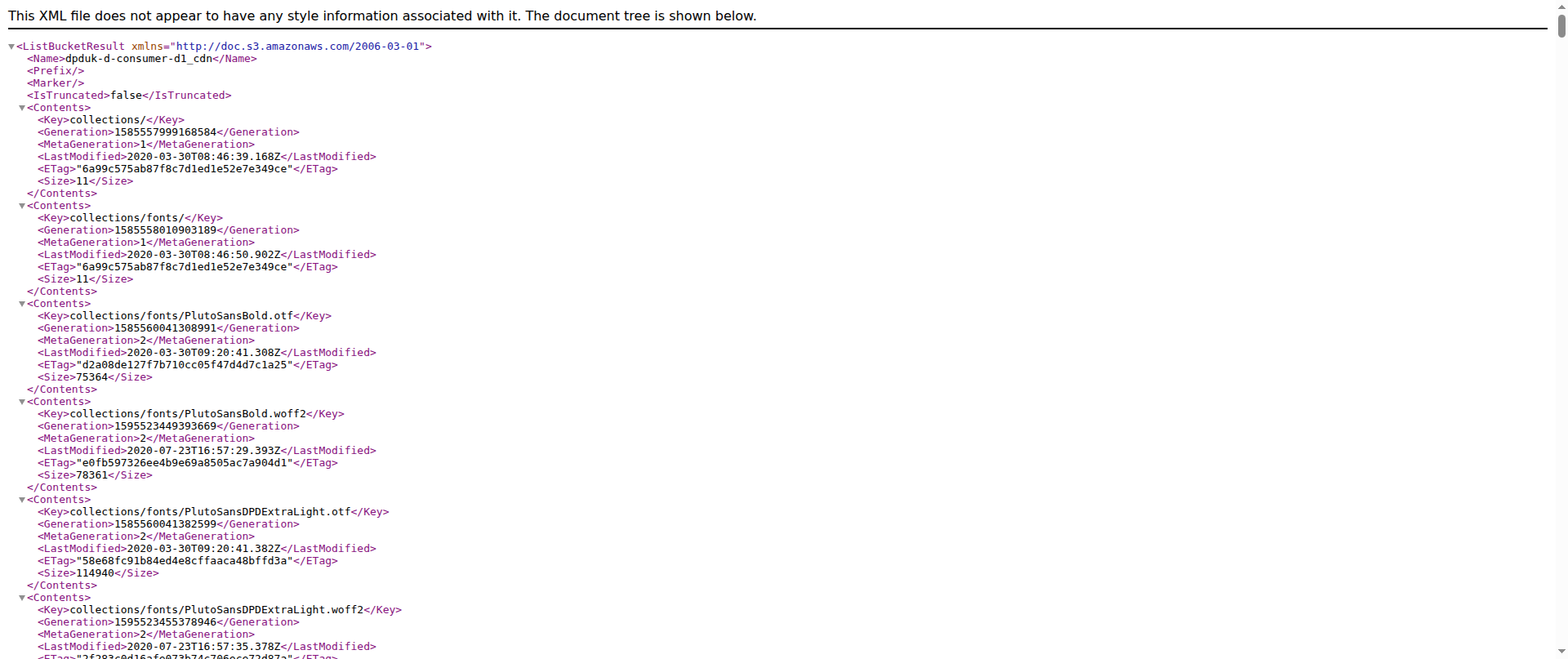
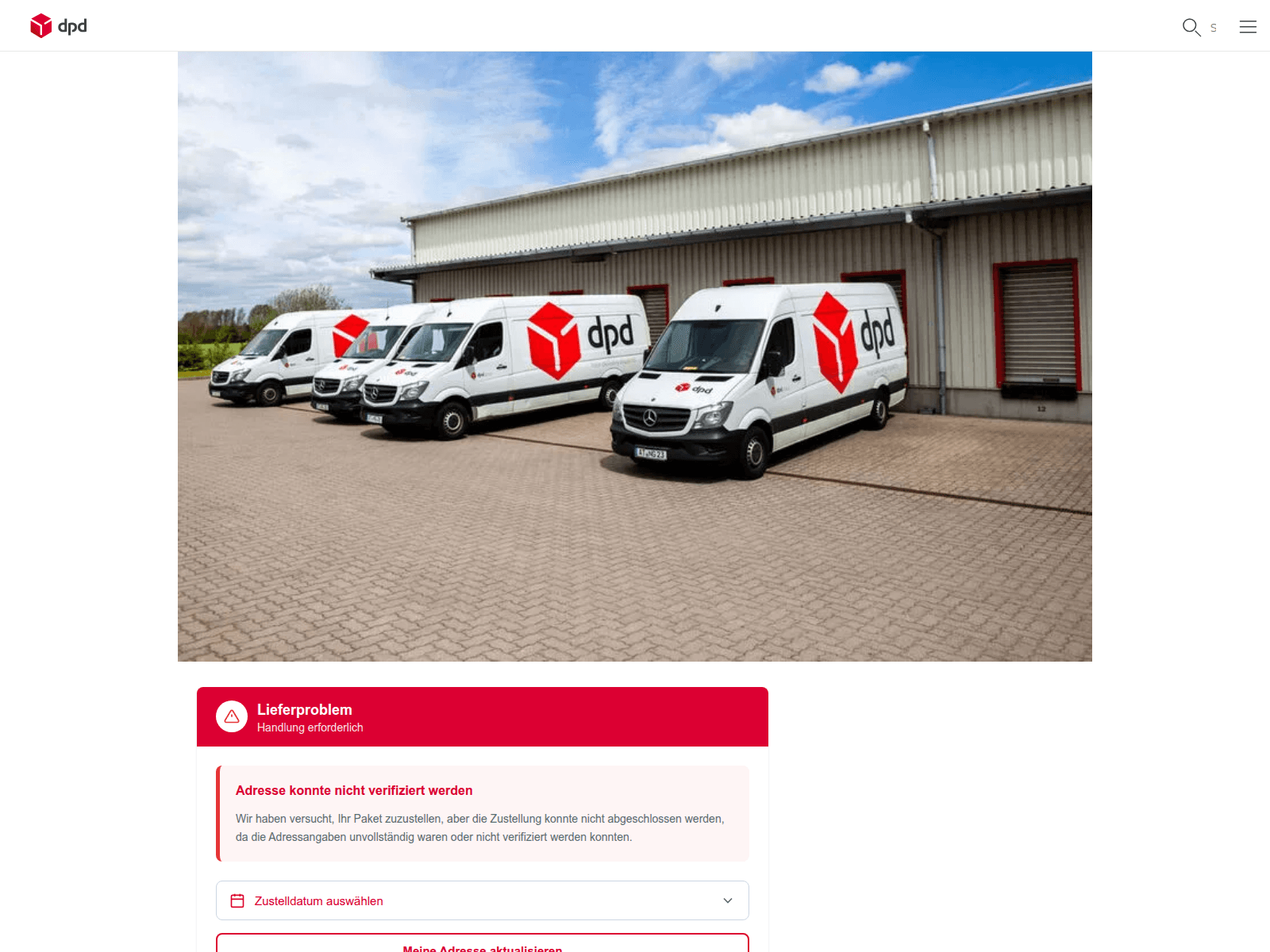
Suspicious sites — confidence is not always 100%. Use for Threat Hunting or watchlists.
AIHow to verify a real DPD URL
- Legitimate DPD URLs always end in
dpd.com(e.g.www.dpd.com,account.dpd.com). Anything else — including look-alike typosquats, hyphenated variations, or unfamiliar TLDs like.xyz/.top/.vip— is not DPD. - The padlock icon proves TLS is active, not that the site is safe. Free DV certificates are issued to attackers in minutes; every active site listed above has a valid TLS certificate.
- If you got the link from email, SMS, or social media, do not click it. Open
dpd.comfrom your browser bookmark or type the domain manually. - Real DPD pages almost never ask for credentials immediately after clicking from a message — treat any such redirect as a phishing attempt until the domain is verified.