YR1
What is YR1?
RSA DV TLS via ACME, from the 2025 generation of Let's Encrypt intermediates. RSA is what clients too old for ECDSA still get. Same issuance model as the R-series it replaces. Seen on phishing hostnames for the same reason it is seen on everything else: it is free and automated.
2 of these detections belong to suspected cluster 6103d8e3eab3 (3 domains · 3 hosts)
Suspicious sites — confidence is not always 100%. Use for Threat Hunting or watchlists.
| Last check (UTC) | First seen (UTC) ▾ | URL | Screenshot | Flags | Details |
|---|---|---|---|---|---|
| 2026-10-10 23:30 | 2026-10-10 17:24 | 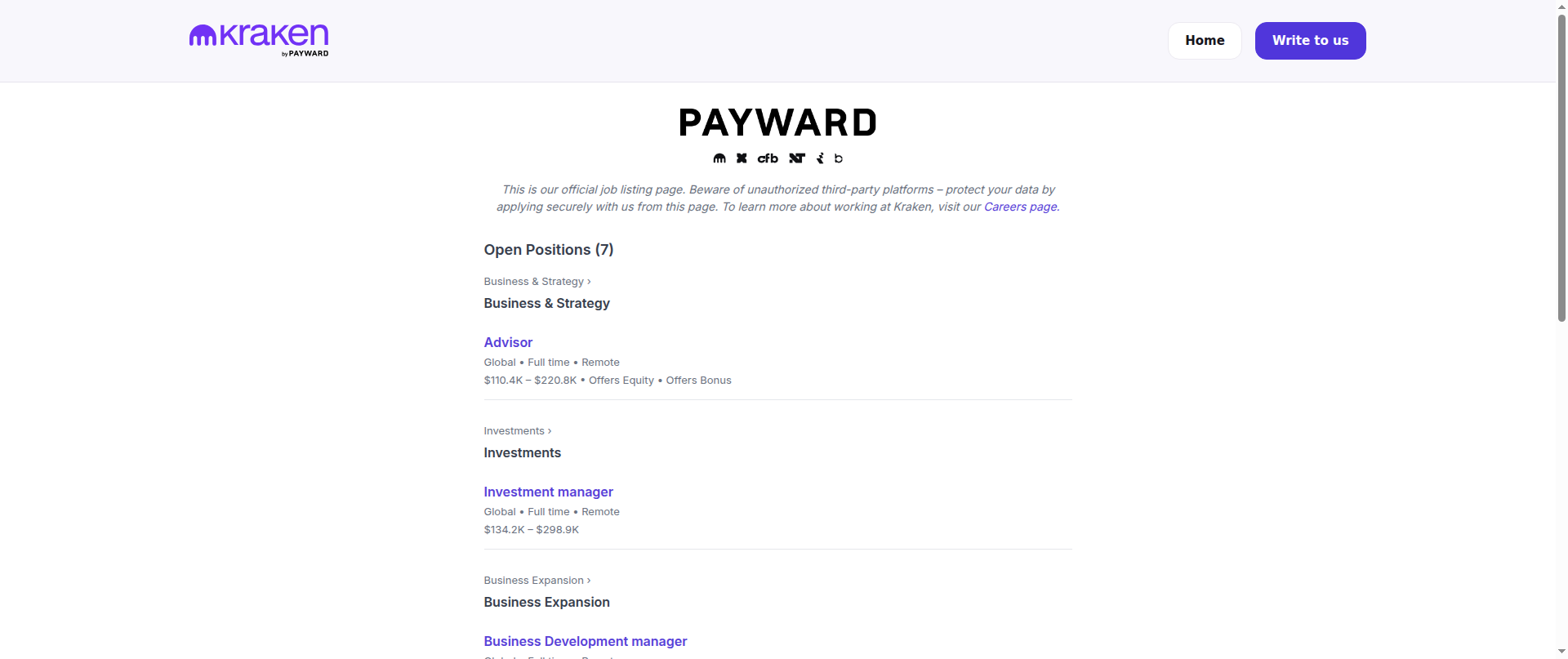 |
GSB | Details | |
| 2026-10-10 23:30 | 2026-10-10 17:24 |  |
GSB | Details | |
| 2026-10-10 23:30 | 2026-10-10 17:24 |  |
GSB | Details | |
| 2026-10-10 23:30 | 2026-10-10 13:06 | 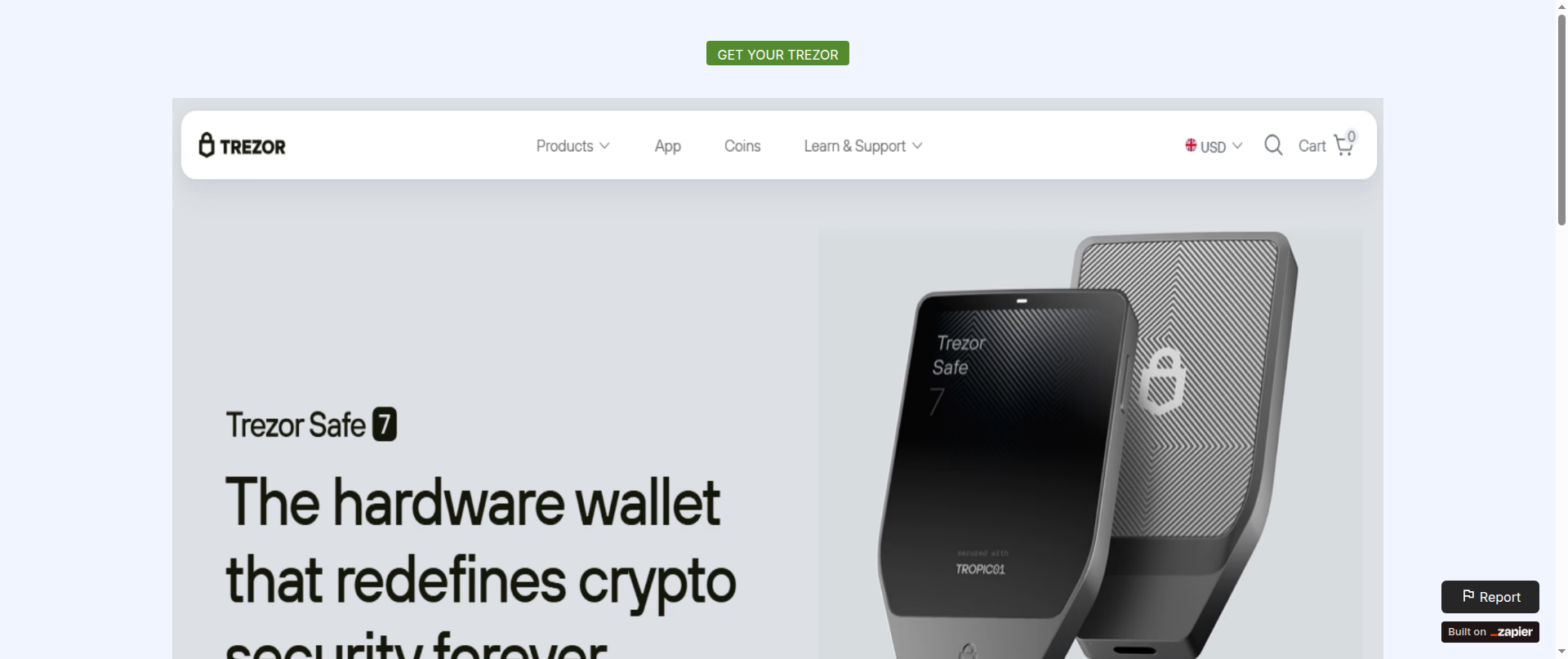 |
OpenPhish | Details | |
| 2026-10-10 23:30 | 2026-10-10 13:04 | 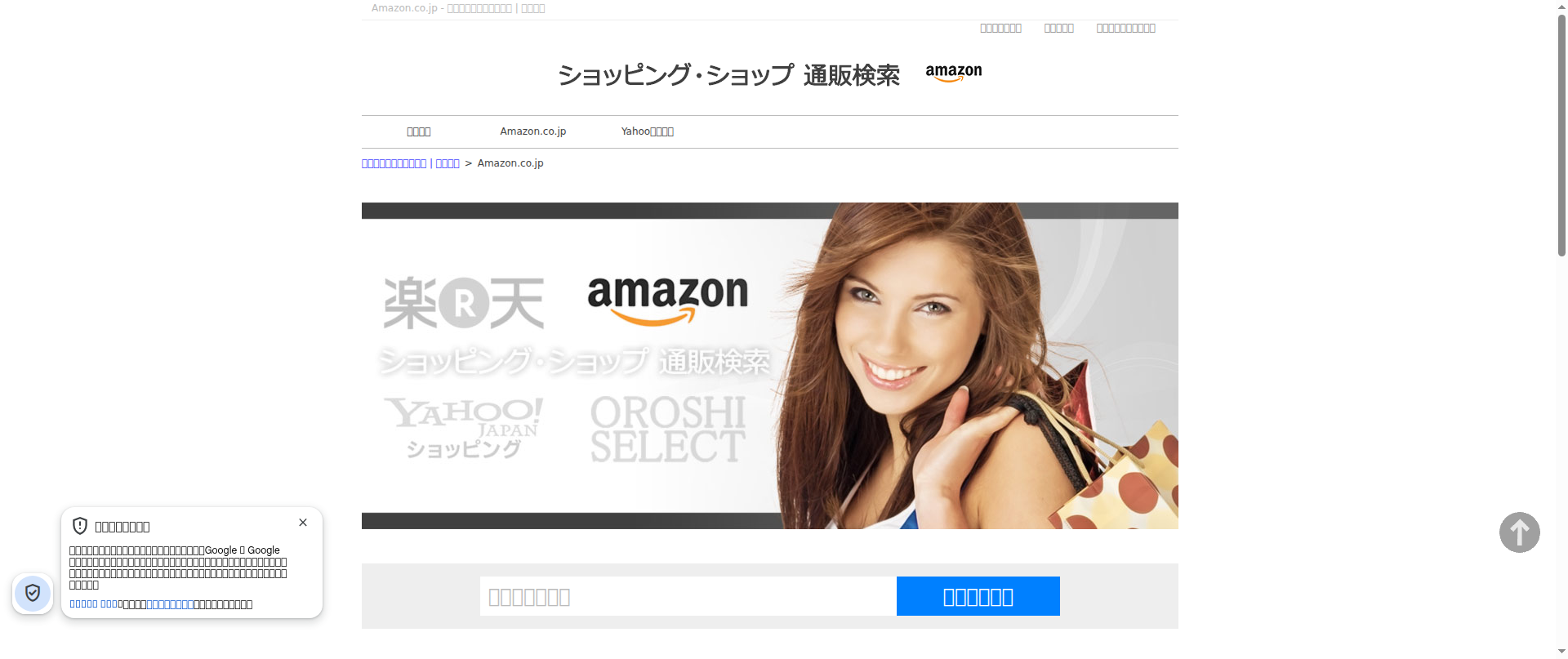 |
OpenPhish | Details | |
| 2026-10-10 23:30 | 2026-10-10 05:25 |  |
GSB | Details | |
| 2026-10-10 23:30 | 2026-10-10 01:15 |  |
OpenPhish | Details | |
| 2026-10-10 23:30 | 2026-10-09 13:02 | 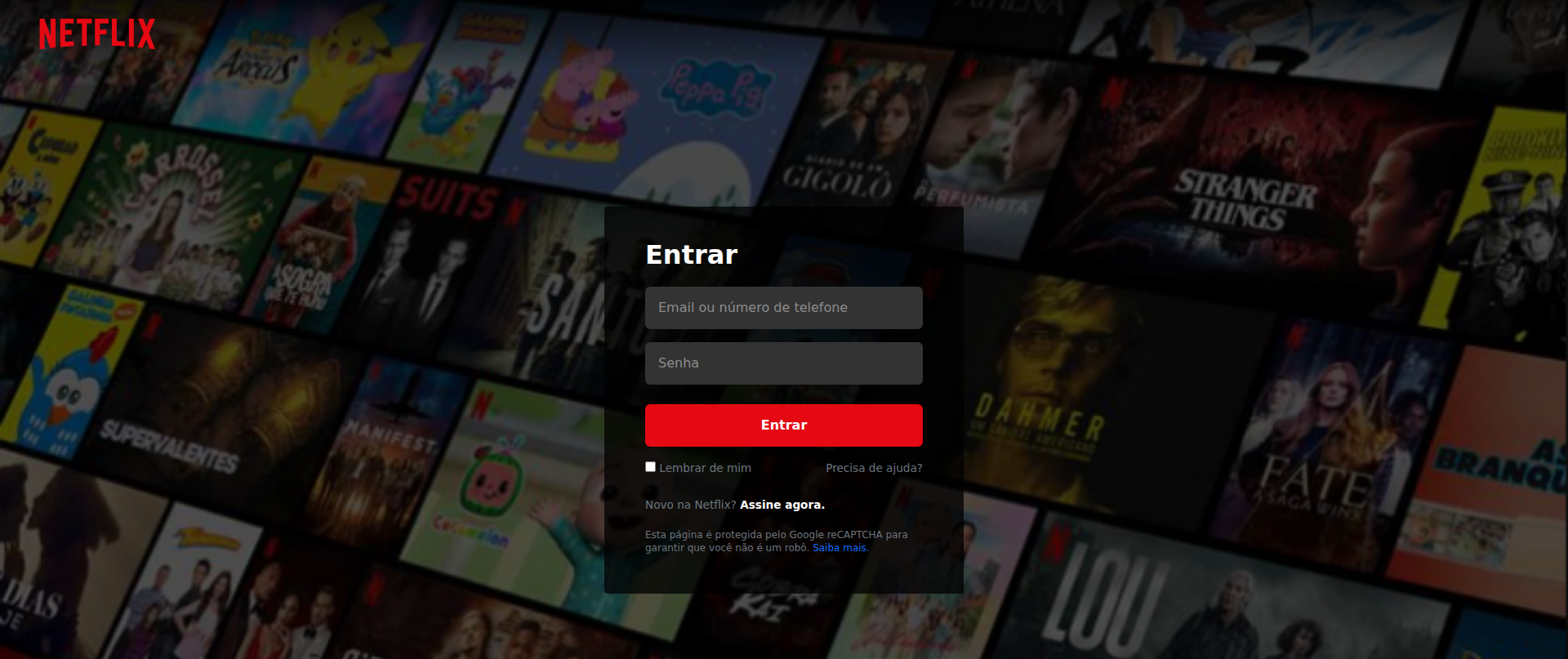 |
GSB OpenPhish | Details | |
| 2026-10-10 23:30 | 2026-10-09 01:01 | 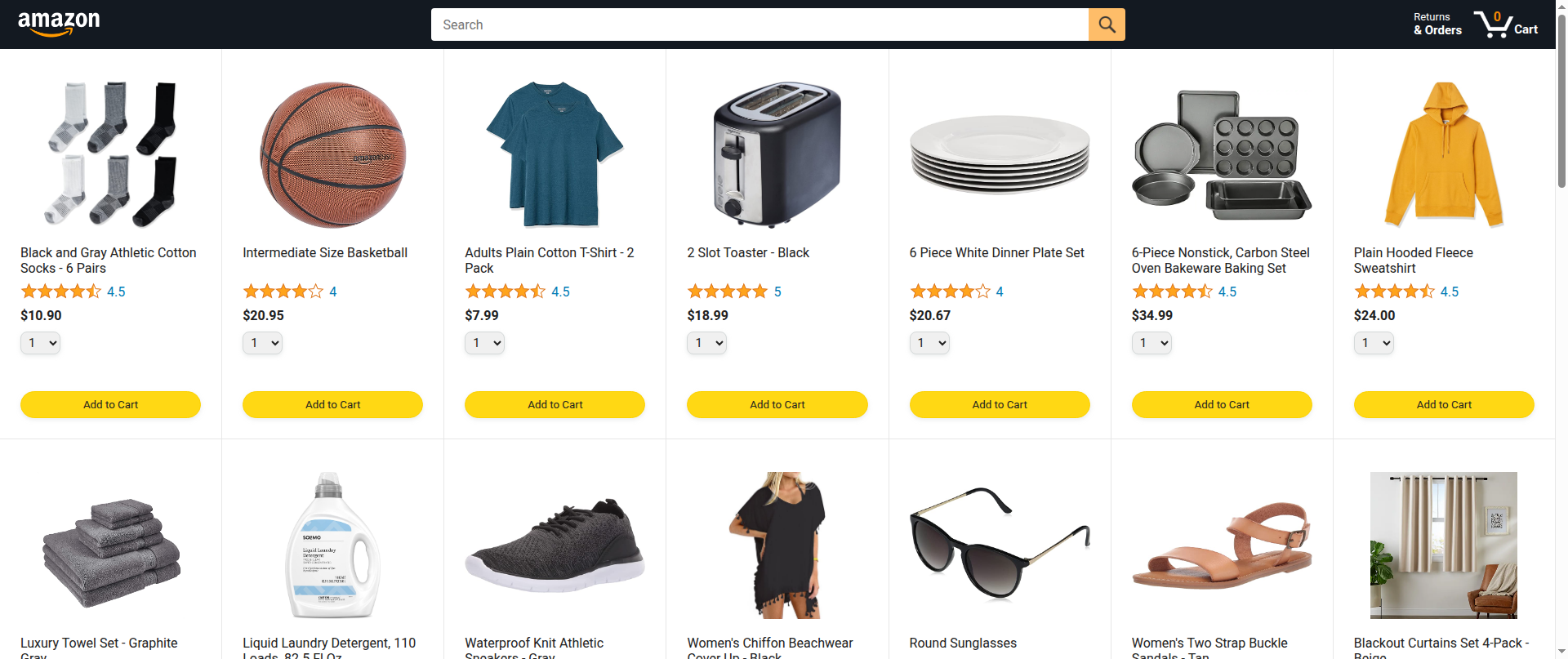 |
OpenPhish | Details | |
| 2026-10-10 23:30 | 2026-10-08 17:24 | 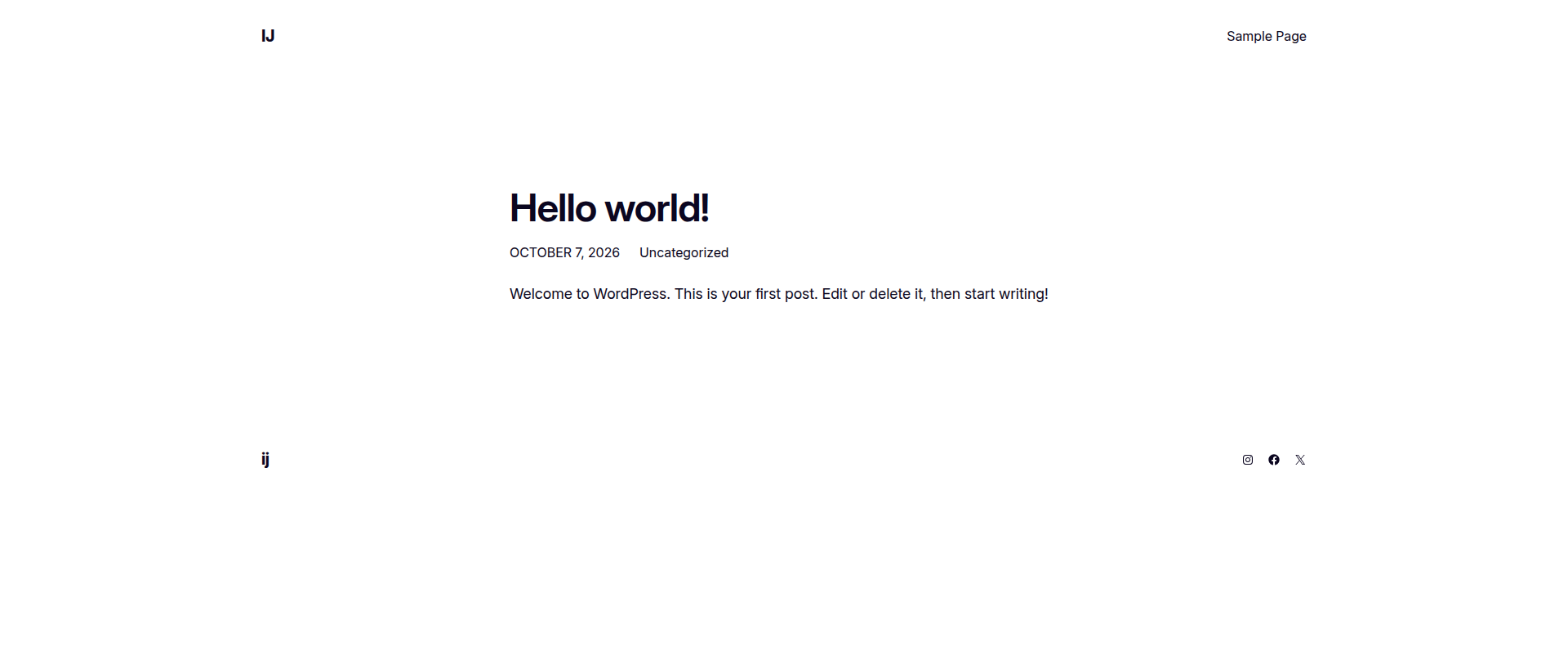 |
GSB | Details | |
| 2026-10-10 23:30 | 2026-10-08 17:24 |  |
GSB | Details | |
| 2026-10-10 23:30 | 2026-10-08 17:24 | 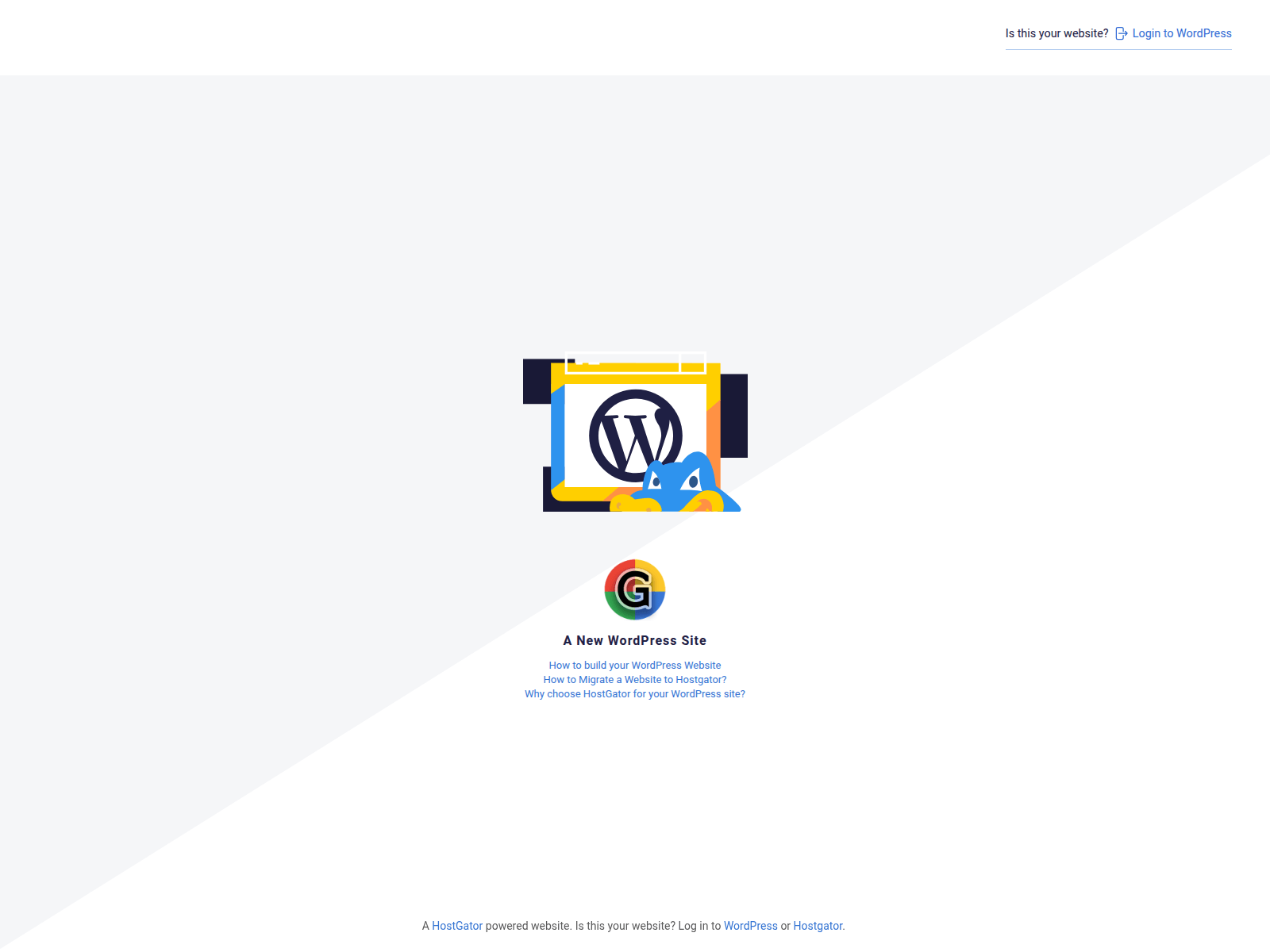 |
GSB | Details | |
| 2026-10-10 23:30 | 2026-10-08 01:02 | 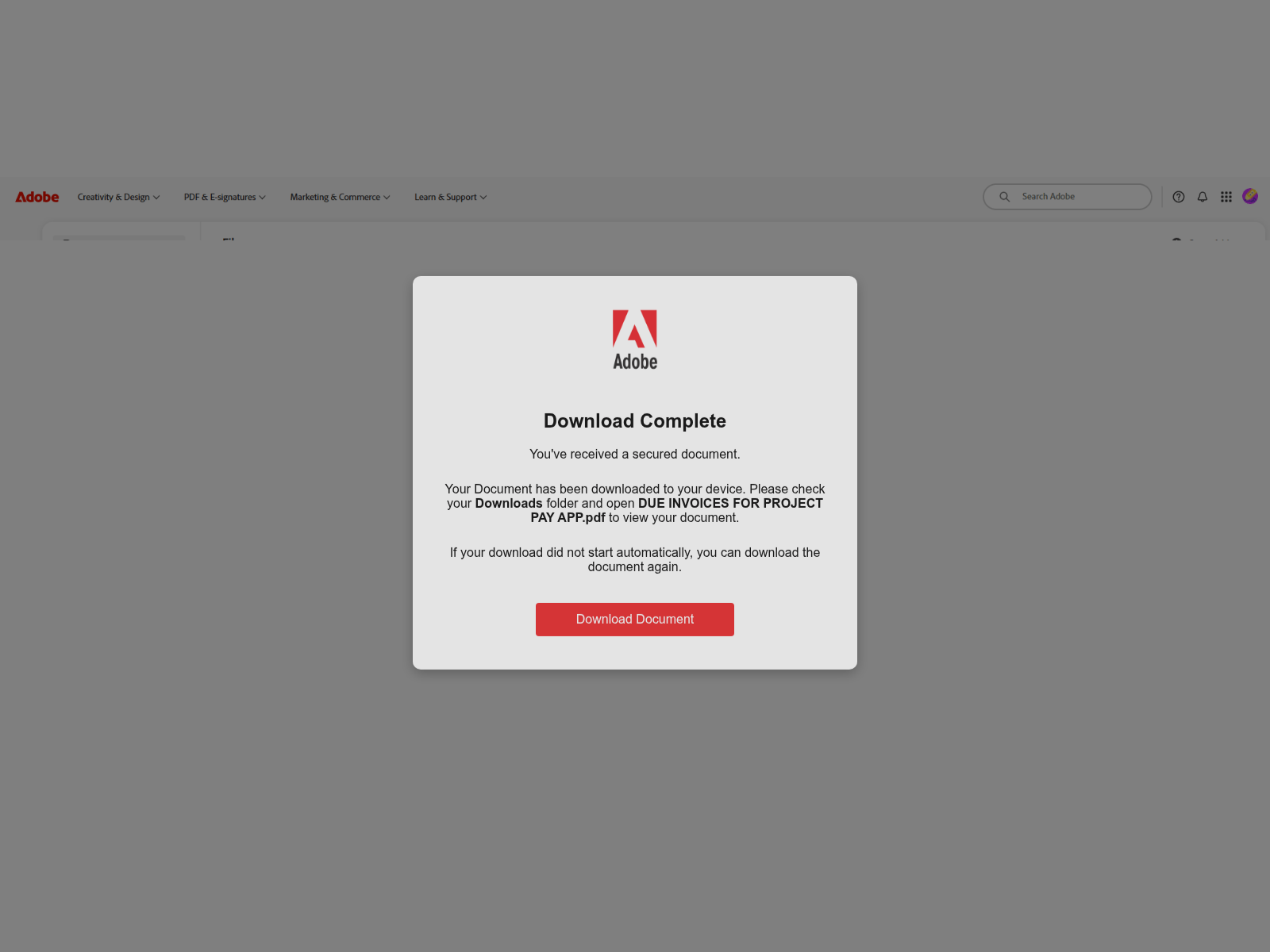 |
OpenPhish | Details | |
| 2026-10-10 23:30 | 2026-10-07 01:01 | 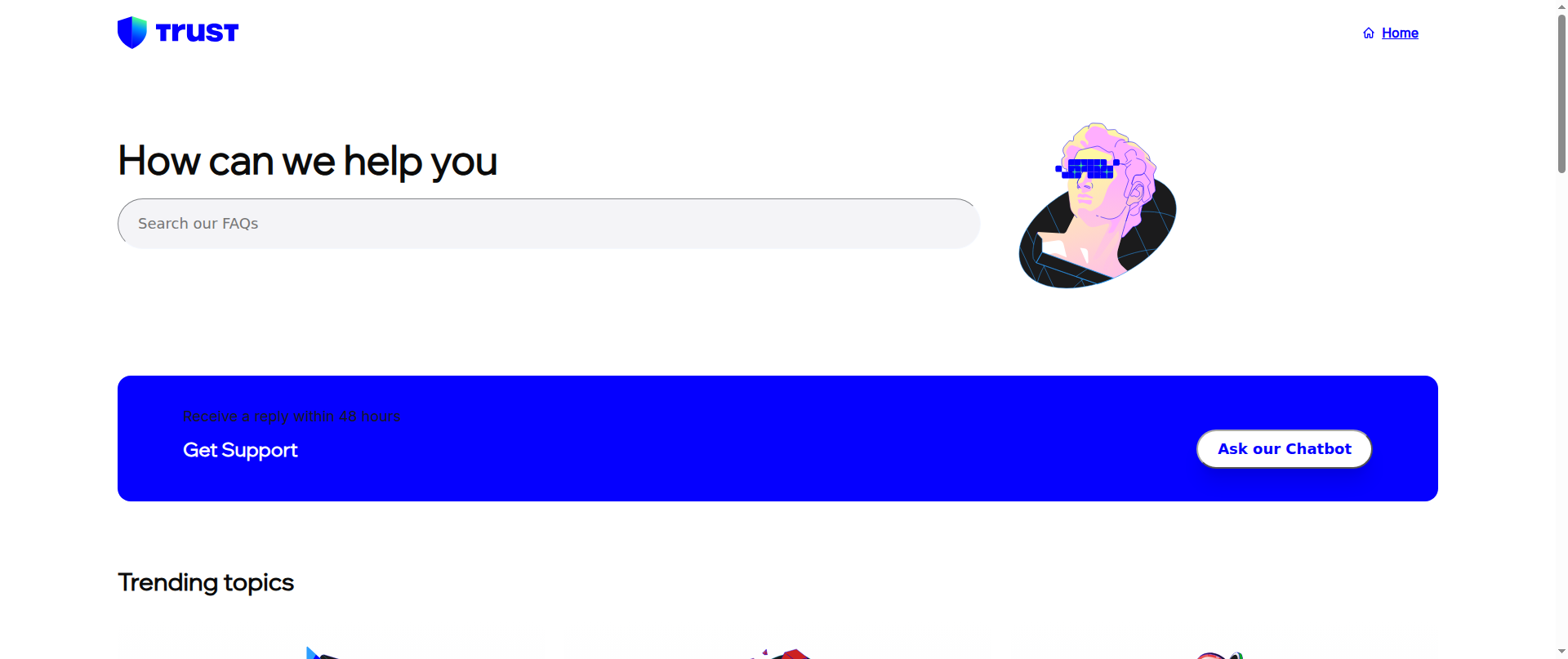 |
OpenPhish | Details | |
| 2026-10-10 23:30 | 2026-10-07 01:01 | 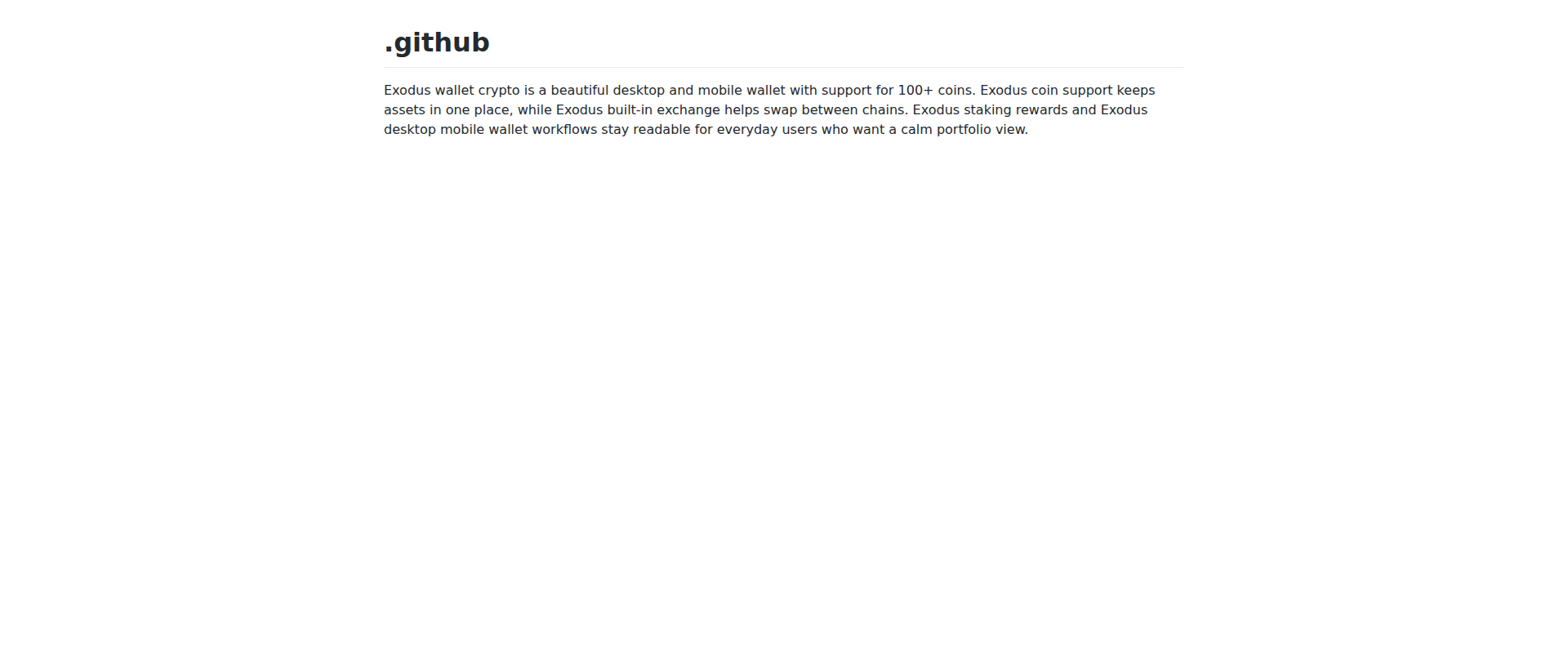 |
OpenPhish | Details | |
| 2026-10-10 23:30 | 2026-10-06 13:02 | 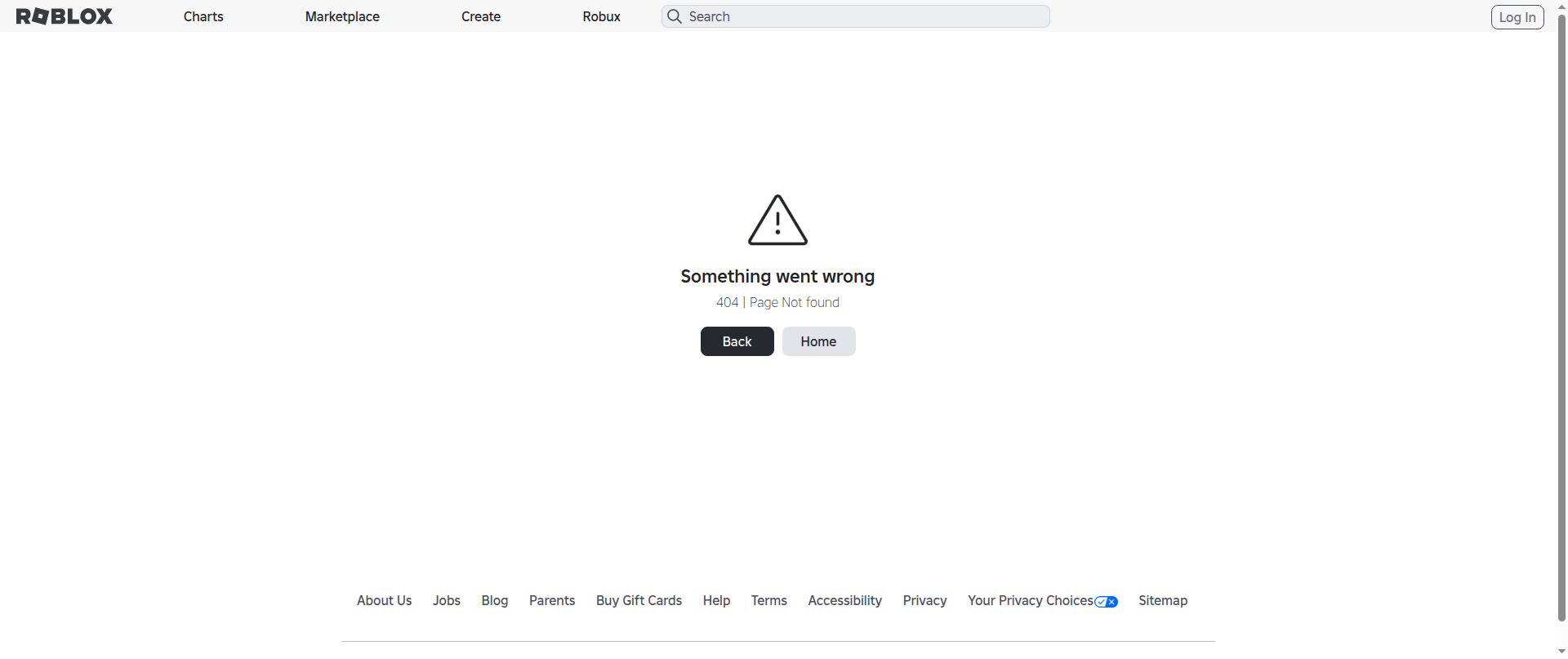 |
OpenPhish | Details | |
| 2026-10-10 23:30 | 2026-10-06 01:02 | 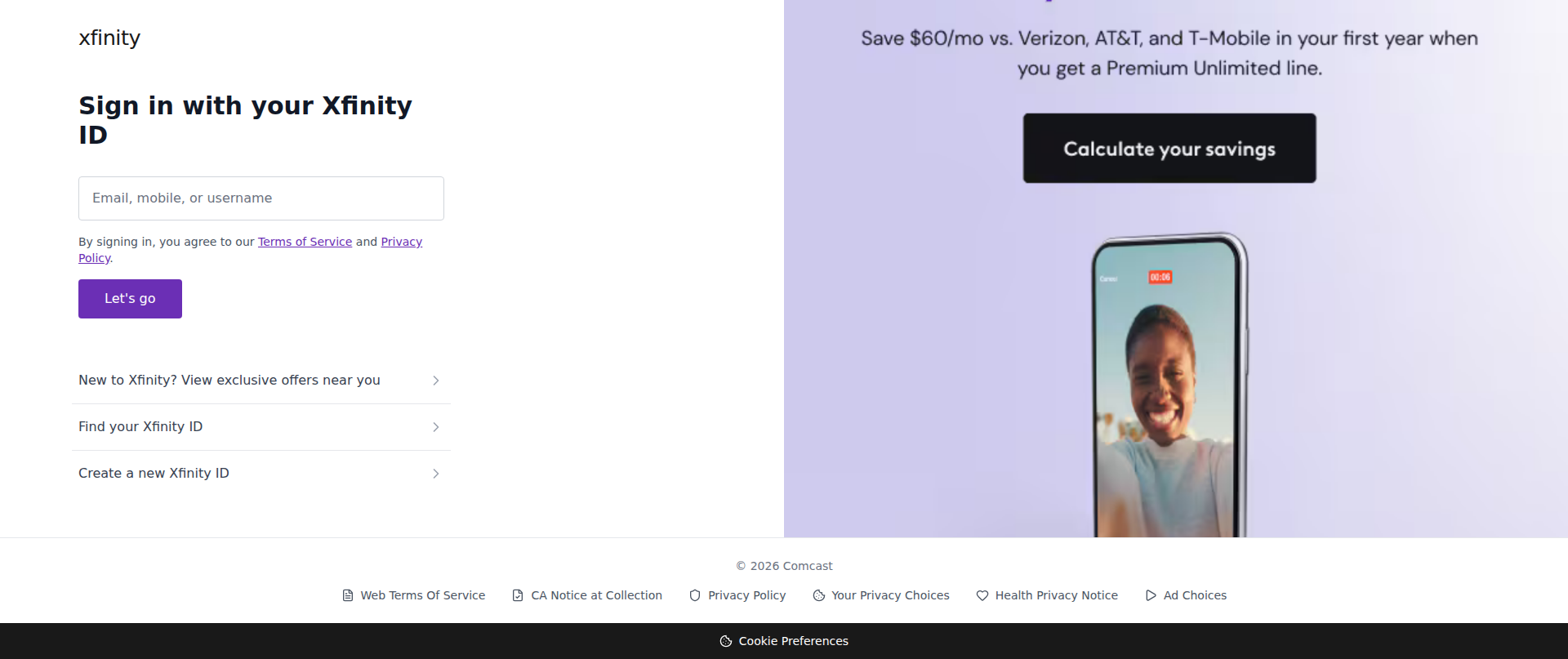 |
GSB OpenPhish TweetFeed | Details | |
| 2026-10-10 23:30 | 2026-10-05 23:01 |  |
PhishTank | Details | |
| 2026-10-10 23:30 | 2026-10-05 18:01 |  |
PhishTank | Details | |
| 2026-10-10 23:30 | 2026-10-04 17:25 |  |
GSB | Details | |
| 2026-10-10 23:30 | 2026-10-04 13:03 | |
OpenPhish | Details | |
| 2026-10-10 23:30 | 2026-10-04 13:02 |  |
OpenPhish TweetFeed | Details | |
| 2026-10-10 23:30 | 2026-10-04 01:03 |  |
OpenPhish | Details | |
| 2026-10-10 23:30 | 2026-10-03 13:02 |  |
GSB OpenPhish | Details | |
| 2026-10-10 23:30 | 2026-10-02 17:24 |  |
GSB | Details | |
| 2026-10-10 23:30 | 2026-10-02 13:04 |  |
OpenPhish | Details | |
| 2026-10-10 23:30 | 2026-10-02 13:04 | 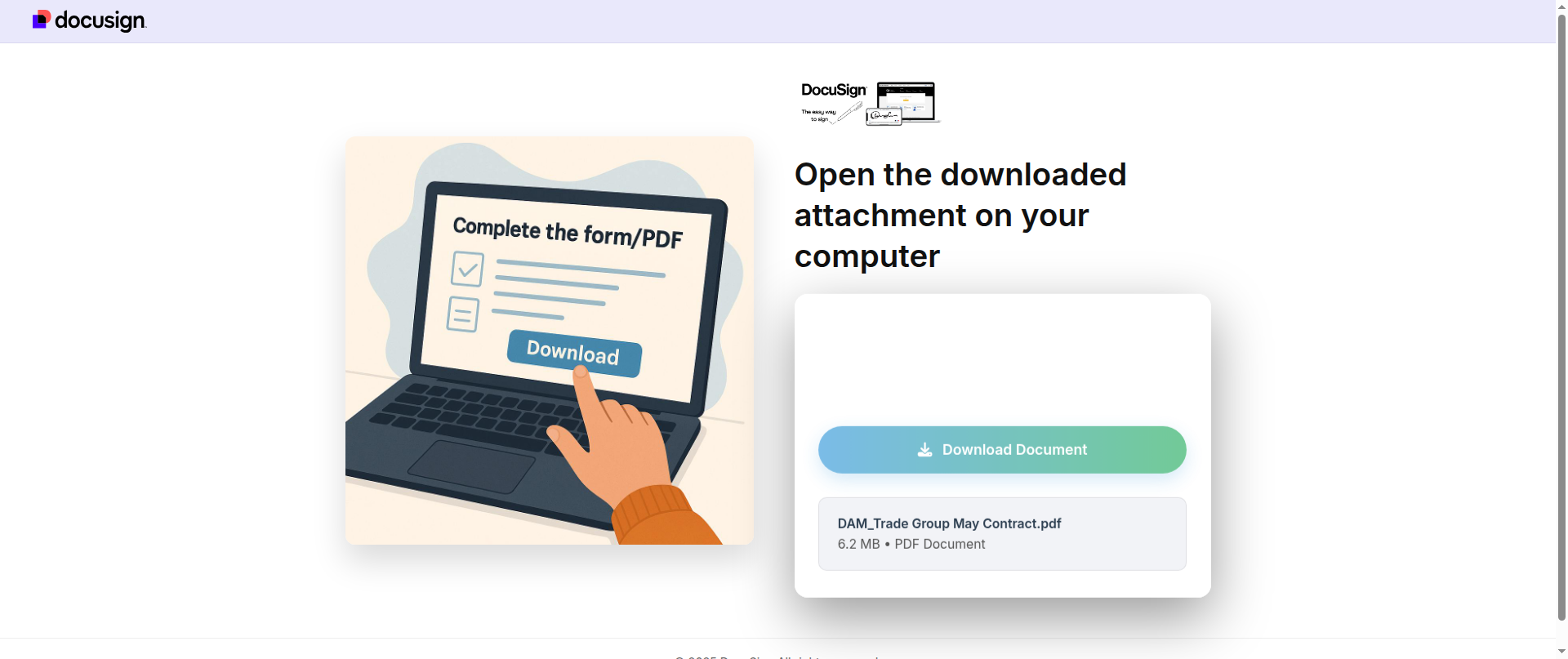 |
OpenPhish | Details | |
| 2026-10-10 23:30 | 2026-10-01 23:24 | 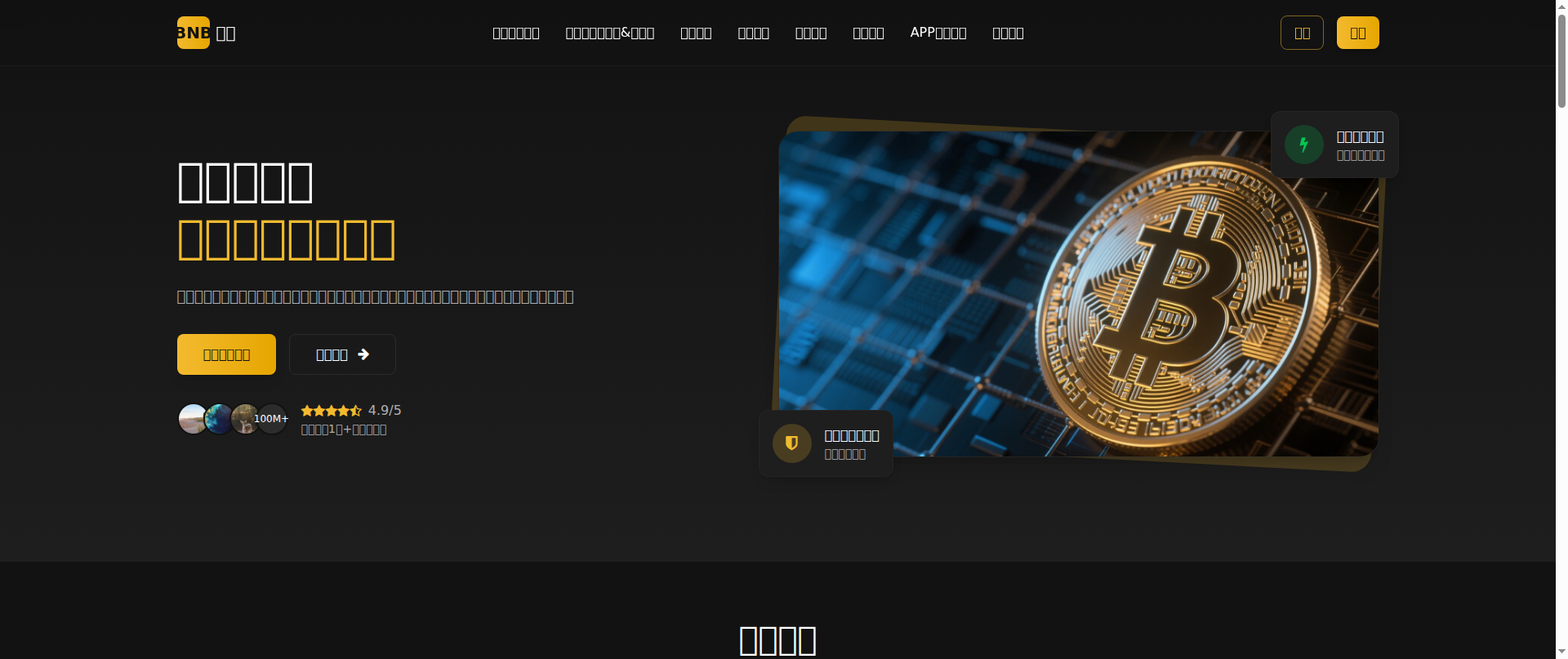 |
GSB | Details | |
| 2026-10-10 23:30 | 2026-10-01 23:24 | 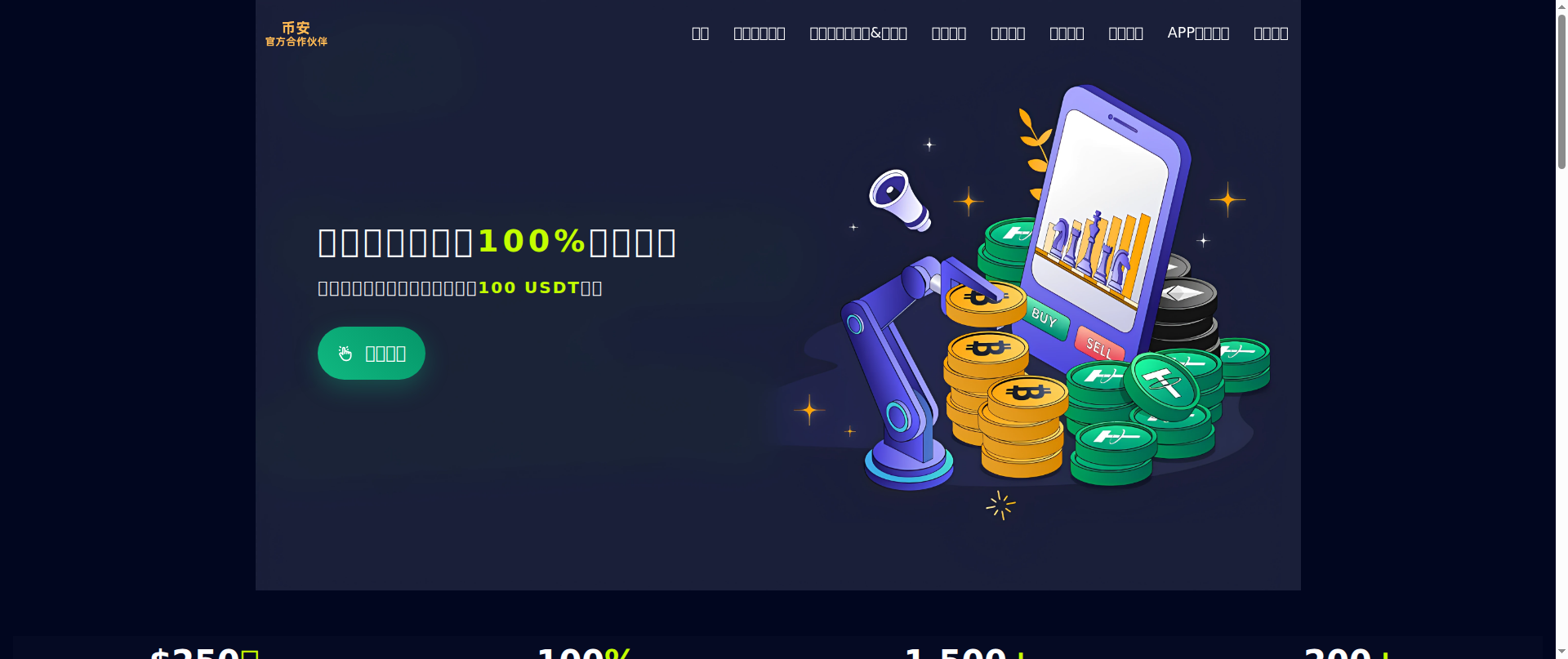 |
GSB | Details | |
| 2026-10-10 23:30 | 2026-10-01 01:02 | 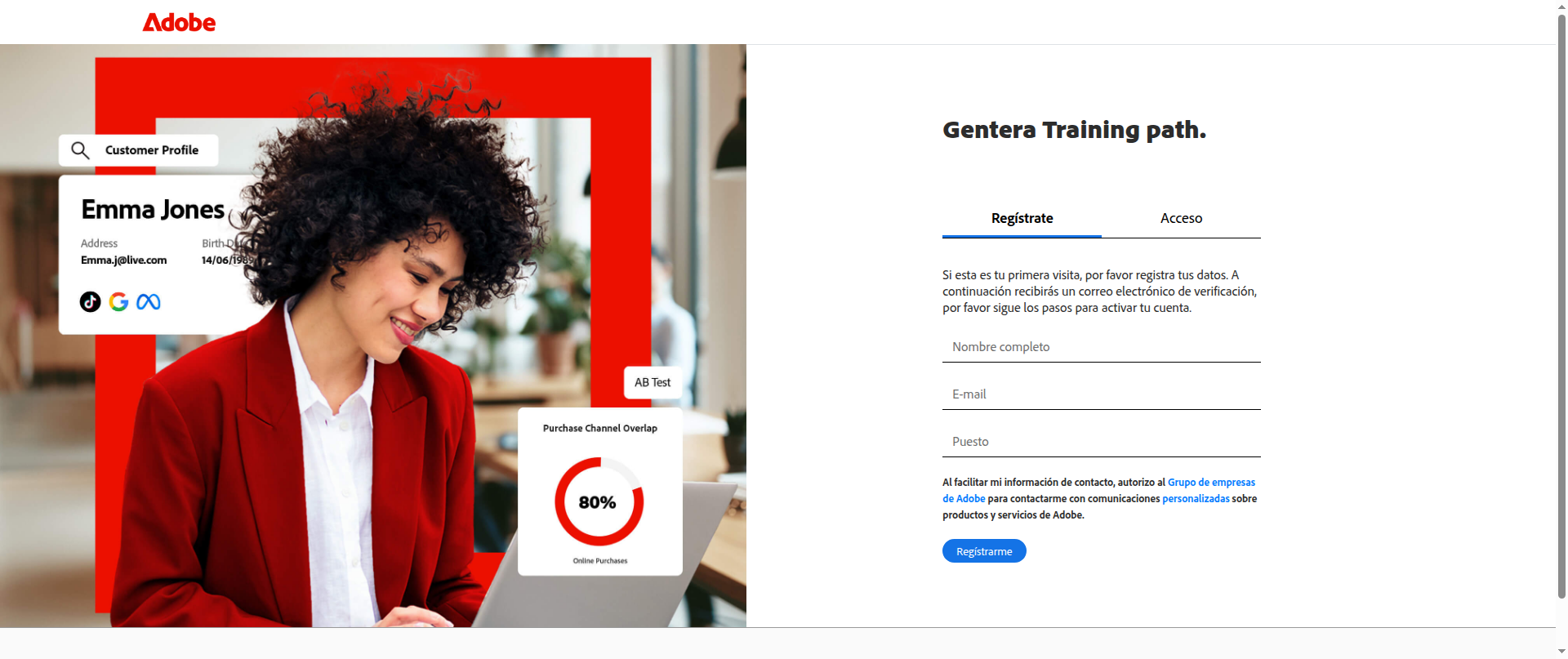 |
OpenPhish | Details | |
| 2026-10-10 23:30 | 2026-09-30 13:05 |  |
GSB OpenPhish | Details | |
| 2026-10-10 23:30 | 2026-09-30 01:03 | 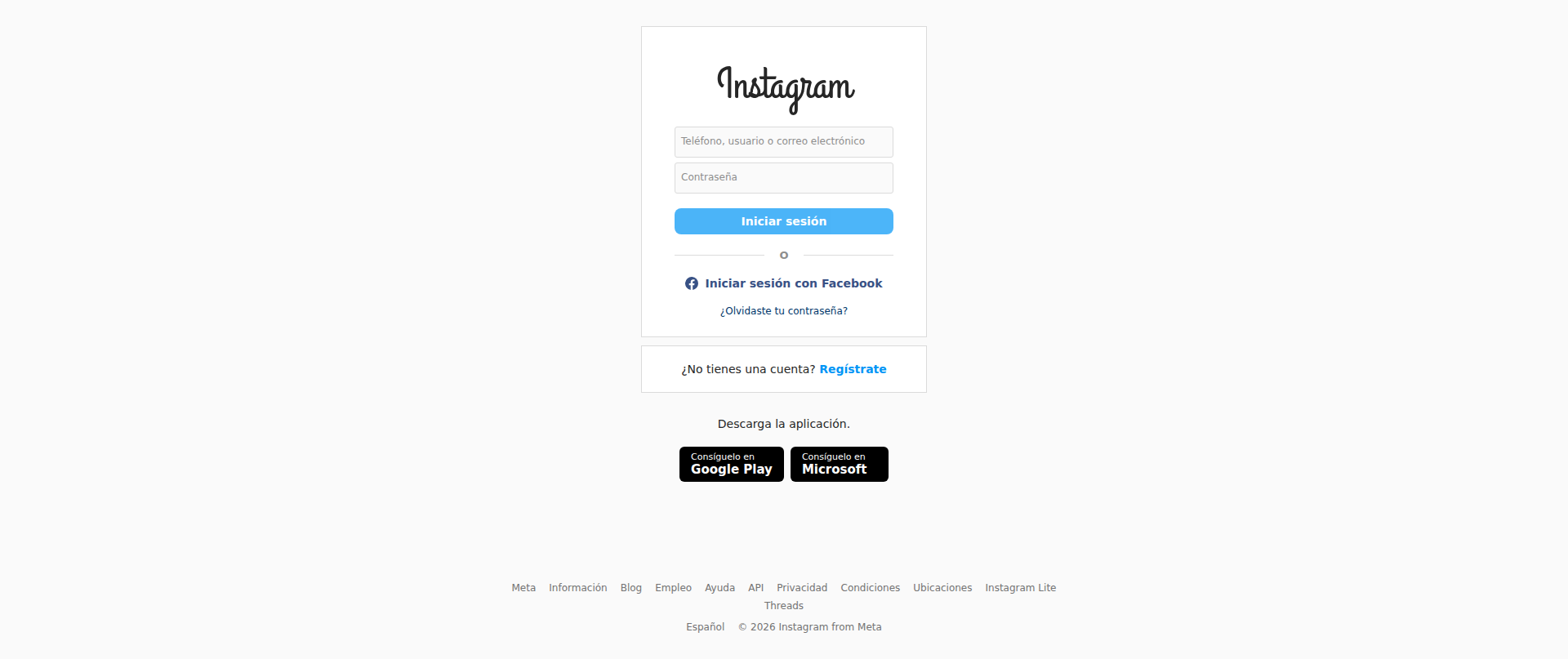 |
OpenPhish | Details | |
| 2026-10-10 23:30 | 2026-09-30 01:03 |  |
OpenPhish PhishTank | Details | |
| 2026-10-10 23:30 | 2026-09-29 17:25 | |
GSB | Details | |
| 2026-10-10 23:30 | 2026-09-29 17:25 | |
GSB | Details | |
| 2026-10-10 23:30 | 2026-09-26 13:04 | 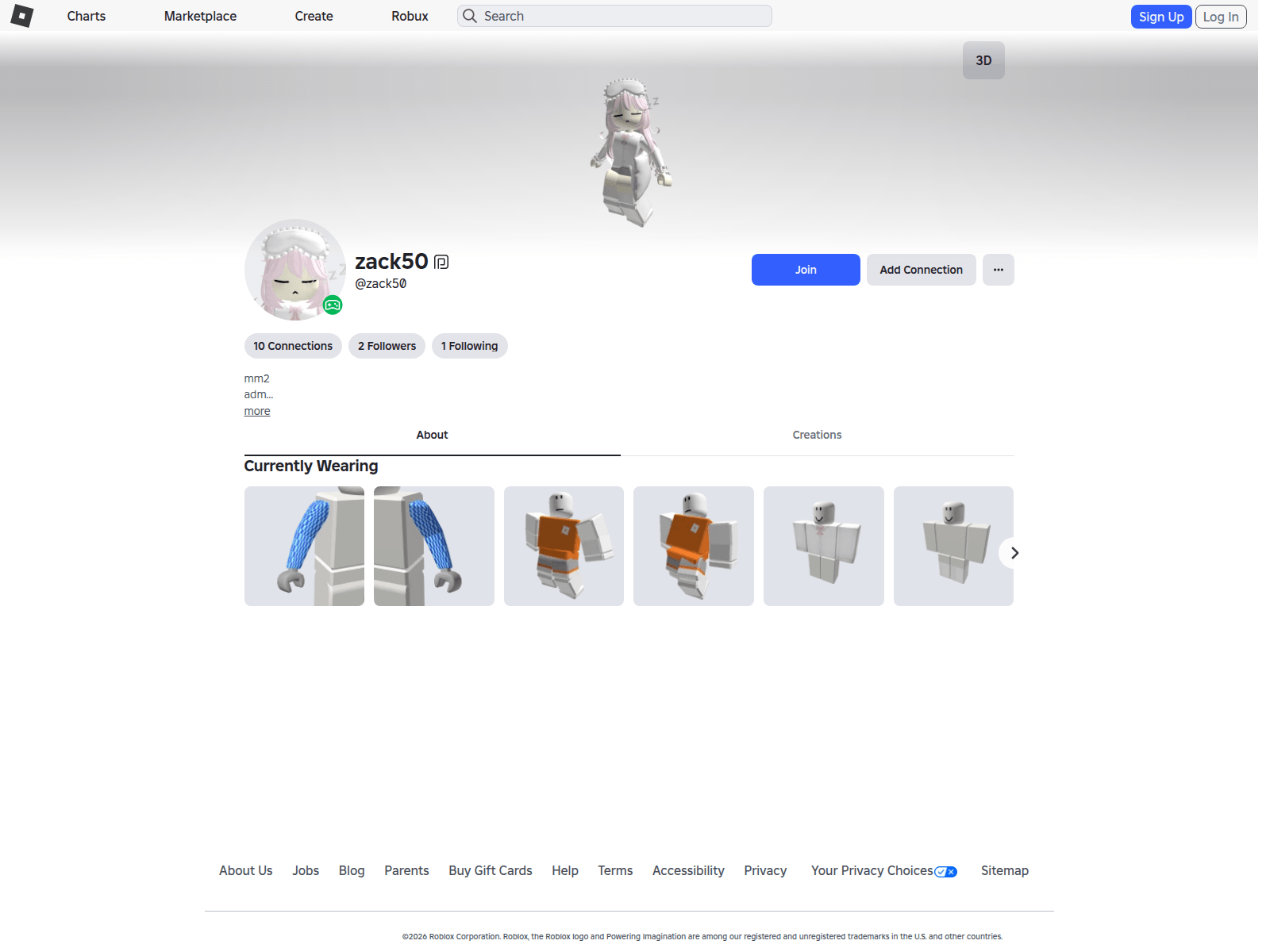 |
OpenPhish | Details | |
| 2026-10-10 23:30 | 2026-09-26 13:03 | 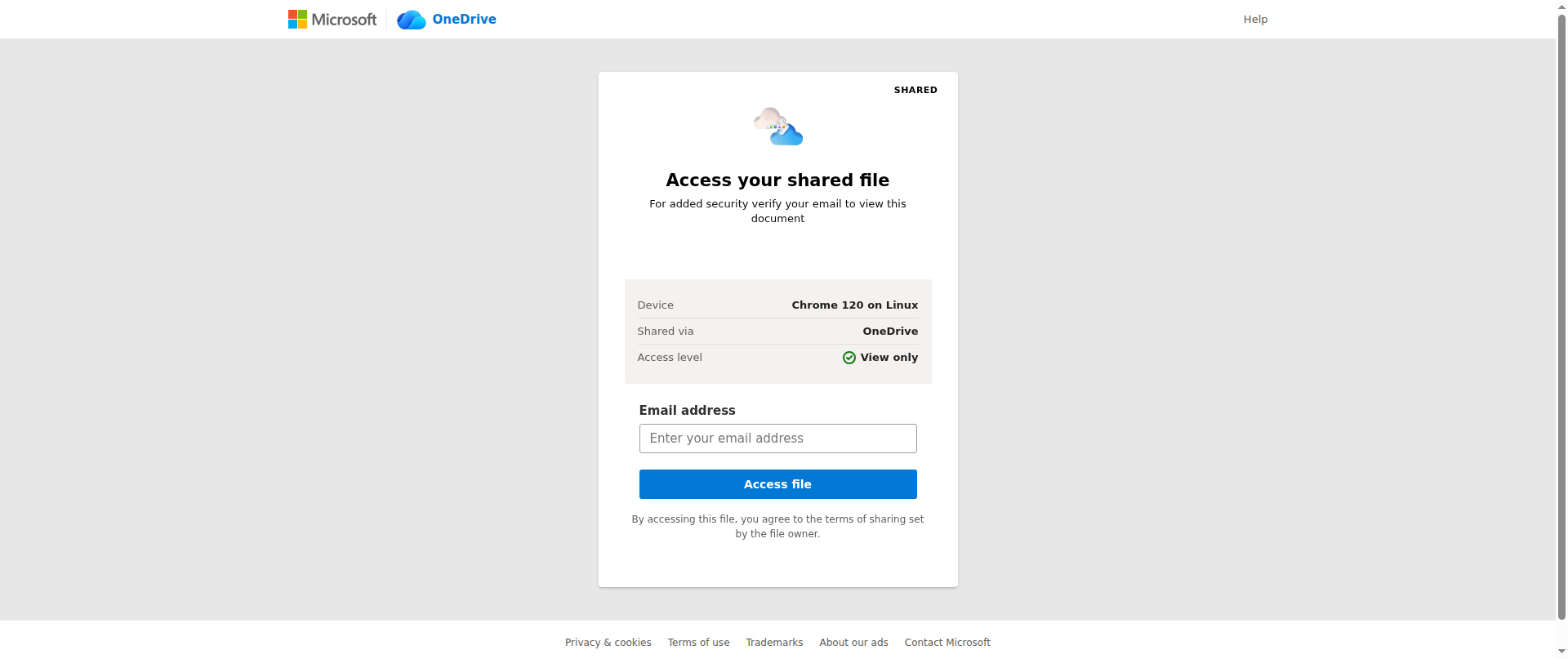 |
OpenPhish TweetFeed | Details | |
| 2026-10-10 23:30 | 2026-09-25 01:04 |  |
OpenPhish | Details | |
| 2026-10-10 23:30 | 2026-09-23 13:03 | 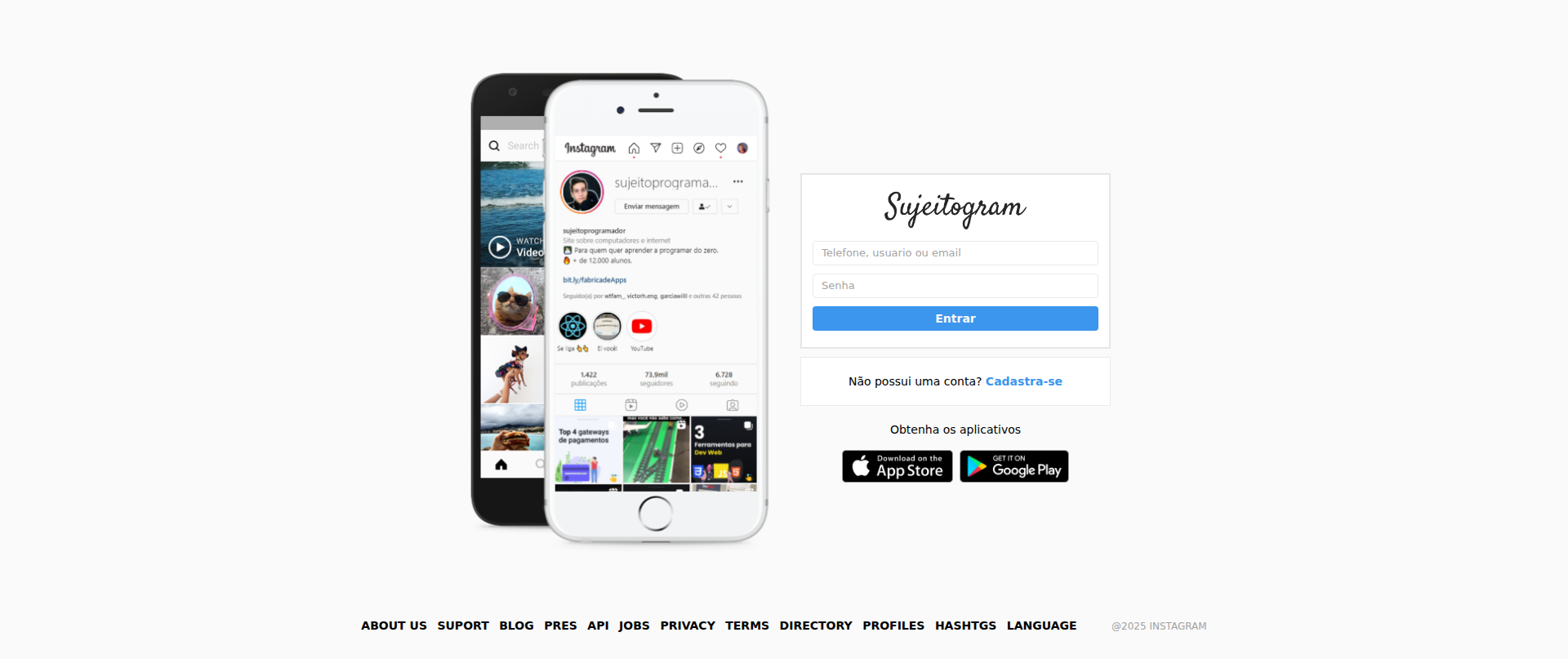 |
OpenPhish | Details | |
| 2026-10-10 23:30 | 2026-09-22 13:03 | |
GSB OpenPhish | Details | |
| 2026-10-10 23:30 | 2026-09-20 13:02 | 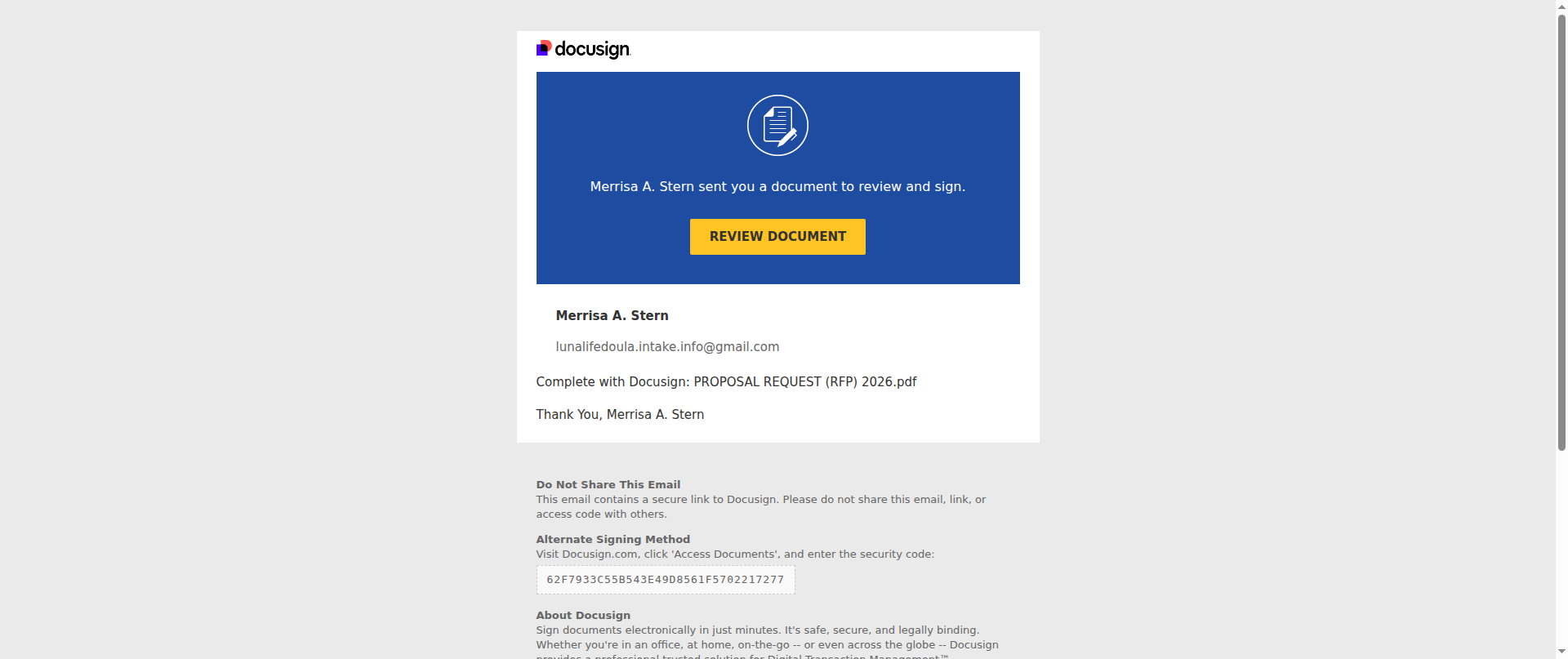 |
OpenPhish | Details | |
| 2026-10-10 23:30 | 2026-09-20 13:02 | |
OpenPhish | Details | |
| 2026-10-10 23:30 | 2026-09-20 05:26 | |
GSB OpenPhish | Details | |
| 2026-10-10 23:30 | 2026-09-16 17:25 | 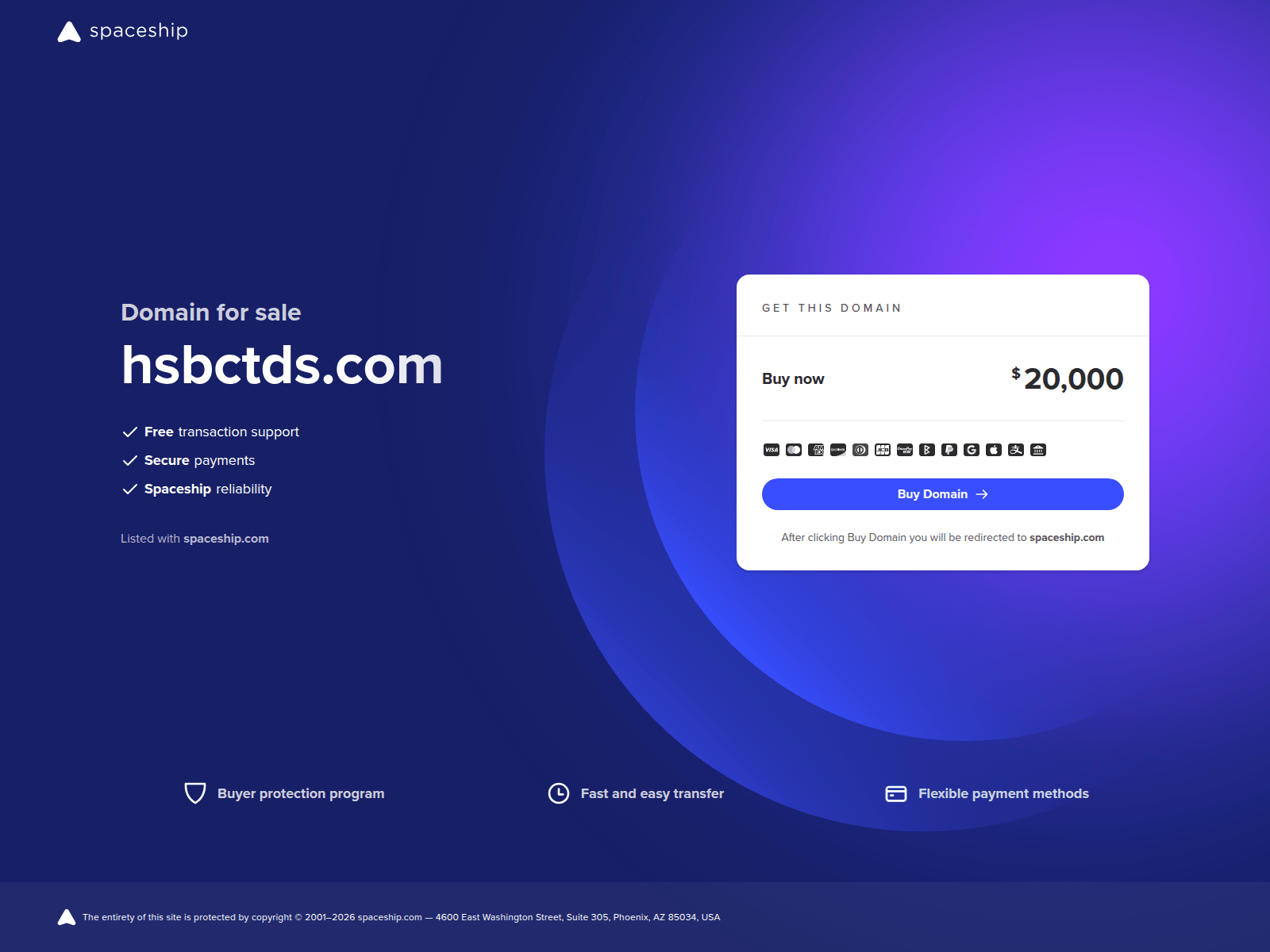 |
GSB | Details | |
| 2026-10-10 23:30 | 2026-09-16 13:04 |  |
OpenPhish | Details | |
| 2026-10-10 23:30 | 2026-09-15 05:24 |  |
GSB | Details | |
| 2026-10-10 23:30 | 2026-09-14 01:02 | 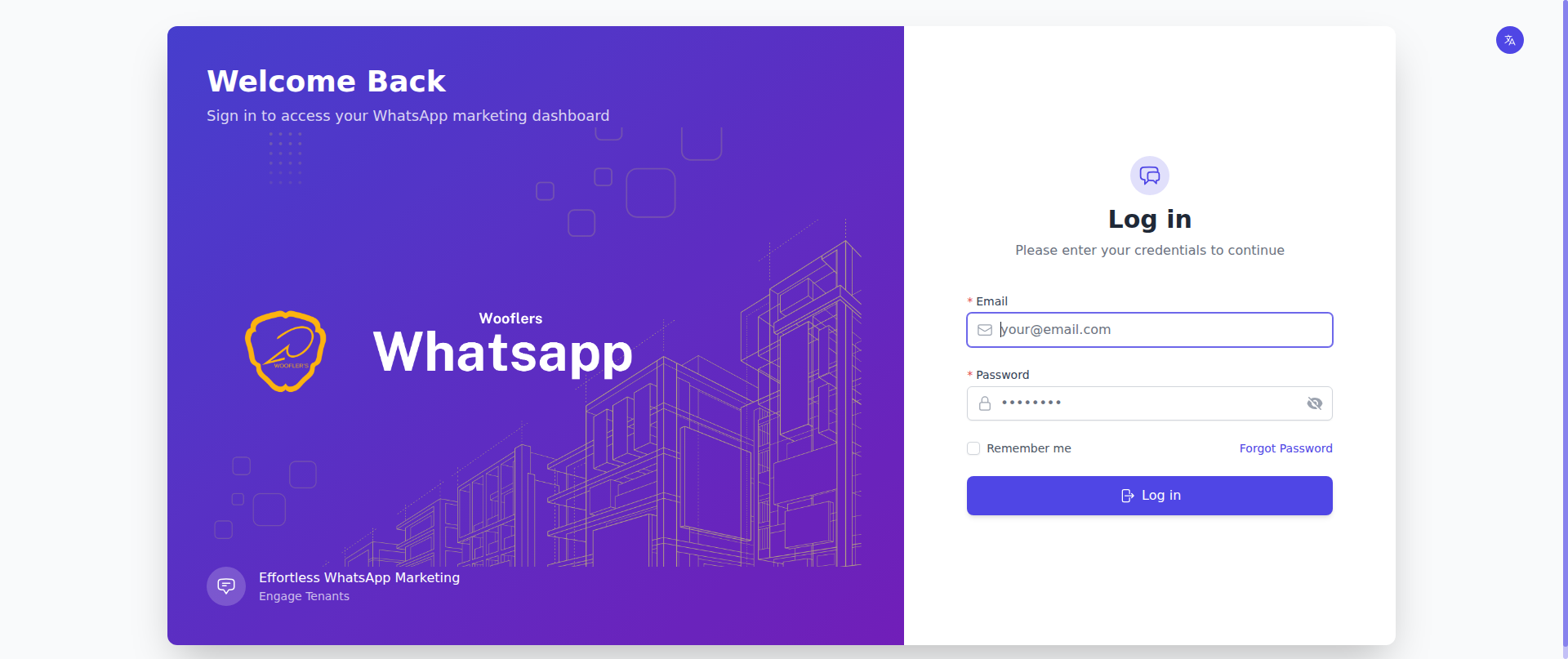 |
OpenPhish | Details | |
| 2026-10-10 23:30 | 2026-09-13 23:25 |  |
GSB | Details | |
| 2026-10-10 23:30 | 2026-09-13 23:25 |  |
GSB | Details | |
| 2026-10-10 23:30 | 2026-09-13 23:25 |  |
GSB | Details | |
| 2026-10-10 23:30 | 2026-09-13 23:25 |  |
GSB | Details | |
| 2026-10-10 23:30 | 2026-09-13 23:25 |  |
GSB | Details | |
| 2026-10-10 23:30 | 2026-09-12 23:25 | |
GSB | Details | |
| 2026-10-10 23:30 | 2026-09-11 13:04 |  |
OpenPhish | Details | |
| 2026-10-10 23:30 | 2026-09-08 05:27 |  |
Details | ||
| 2026-10-10 23:30 | 2026-09-06 13:07 |  |
GSB OpenPhish | Details | |
| 2026-10-10 23:30 | 2026-09-06 13:07 |  |
OpenPhish | Details | |
| 2026-10-10 23:30 | 2026-09-04 23:01 |  |
PhishTank | Details | |
| 2026-10-10 23:30 | 2026-09-04 17:25 |  |
GSB | Details | |
| 2026-10-10 23:30 | 2026-09-02 17:25 |  |
GSB | Details | |
| 2026-10-10 23:30 | 2026-08-31 17:24 |  |
GSB | Details | |
| 2026-10-10 23:30 | 2026-08-31 17:24 |  |
GSB | Details | |
| 2026-10-10 23:30 | 2026-08-31 17:24 |  |
GSB | Details | |
| 2026-10-10 23:30 | 2026-08-31 05:26 |  |
Details | ||
| 2026-10-10 23:30 | 2026-08-30 13:03 |  |
OpenPhish | Details | |
| 2026-10-10 23:30 | 2026-08-29 13:12 |  |
OpenPhish | Details | |
| 2026-10-10 23:30 | 2026-08-26 13:02 |  |
OpenPhish | Details | |
| 2026-10-10 23:30 | 2026-08-26 01:02 |  |
OpenPhish | Details | |
| 2026-10-10 23:30 | 2026-08-25 13:04 |  |
OpenPhish | Details |
Suspicious sites — confidence is not always 100%. Use for Threat Hunting or watchlists.
| URL | Screenshot | Flags | Details |
|---|---|---|---|
| https://kraken-job.com | |
GSB | Details |
| https://mail.correoscom.websi… | |
GSB | Details |
| https://correoscom.website | |
GSB | Details |
| http://strt-officl-trezor.zap… | |
OpenPhish | Details |
| https://amazon.shopping-shop.… | |
OpenPhish | Details |
| https://wan-whatsapp.com | |
GSB | Details |
| https://1yz.com/secure/Adobe_… | |
OpenPhish | Details |
| https://nicolidmaiac.github.i… | |
GSB OpenPhish | Details |
| https://zayarhtet007.github.i… | |
OpenPhish | Details |
| https://no-spotify.com | |
GSB | Details |
| https://mail.googlenewsgh.com | |
GSB | Details |
| https://googlenewsgh.com | |
GSB | Details |
| https://jyothycirrussaviation… | |
OpenPhish | Details |
| https://trustwallet-team-supp… | |
OpenPhish | Details |
| https://exodus-desktop-mobile… | |
OpenPhish | Details |
| https://roblox.rw/login.php | |
OpenPhish | Details |
| http://webmail-service-xfinit… | |
GSB OpenPhish TweetFeed | Details |
| https://hotmail.com-desenrola… | |
PhishTank | Details |
| https://suiteapp-trezrr.wixst… | |
PhishTank | Details |
| https://charlesfinn.com.glovo… | |
GSB | Details |
| http://uspssmartparcellocker.… | |
OpenPhish | Details |
| http://app.spotifylite.online | |
OpenPhish TweetFeed | Details |
| https://instagram-comig.githu… | |
OpenPhish | Details |
| https://instagram-com-ig.gith… | |
GSB OpenPhish | Details |
| https://google.jl.cn | |
GSB | Details |
| https://spotifymode.org | |
OpenPhish | Details |
| https://piedrasdecolon.com.ar… | |
OpenPhish | Details |
| https://binance-web.com | |
GSB | Details |
| https://binance-og.com | |
GSB | Details |
| https://adobeexperience.com.b… | |
OpenPhish | Details |
| https://7443893.eu.cc/dpd-gro… | |
GSB OpenPhish | Details |
| https://instagram157.github.i… | |
OpenPhish | Details |
| https://luxora.qpon/AdobeInst… | |
OpenPhish PhishTank | Details |
| https://docusign.com.myfolder… | |
GSB | Details |
| https://fedexsv.com | |
GSB | Details |
| https://roblox.com.pt/users/2… | |
OpenPhish | Details |
| http://creyt.cl/centennialcws… | |
OpenPhish TweetFeed | Details |
| https://roblox.com.gr/users/9… | |
OpenPhish | Details |
| https://kauadosantos.github.i… | |
OpenPhish | Details |
| https://microsoft-0r.github.i… | |
GSB OpenPhish | Details |
| https://docusign-server.githu… | |
OpenPhish | Details |
| https://synel99.github.io/Pus… | |
OpenPhish | Details |
| https://lobologisticgroup.com… | |
GSB OpenPhish | Details |
| https://hsbctds.com | |
GSB | Details |
| http://facebook.sagers.com | |
OpenPhish | Details |
| https://accounts.google.com.a… | |
GSB | Details |
| https://whatsapp.wooflers.com… | |
OpenPhish | Details |
| https://webmail.uspsecuredlog… | |
GSB | Details |
| https://mail.uspsecuredlogs.c… | |
GSB | Details |
| https://cpanel.uspsecuredlogs… | |
GSB | Details |
| https://autoconfig.uspsecured… | |
GSB | Details |
| https://italianeservizipostal… | |
GSB | Details |
| https://icloud-asisten-offici… | |
GSB | Details |
| https://facebookbonus.emmanue… | |
OpenPhish | Details |
| https://kg5.04d.mytemp.website | |
Details | |
| https://gloronyan.github.io/a… | |
GSB OpenPhish | Details |
| https://amazon-v2.isha-dev.com | |
OpenPhish | Details |
| https://desktop-ledgrecdn.wix… | |
PhishTank | Details |
| https://whatsappcampaign.onli… | |
GSB | Details |
| https://uspsecuredlogs.com | |
GSB | Details |
| https://accounts-google-com.s… | |
GSB | Details |
| https://accounts-google-com-i… | |
GSB | Details |
| https://online.accounts-googl… | |
GSB | Details |
| https://misilabario.cl | |
Details | |
| https://start-ledgren.zapier.… | |
OpenPhish | Details |
| https://whatsapp.dir.com.my | |
OpenPhish | Details |
| https://vodafone-form.mhmr.ro | |
OpenPhish | Details |
| https://c-binance.github.io/B… | |
OpenPhish | Details |
| https://lovevivah.com/share.g… | |
OpenPhish | Details |
Brands most often impersonated with YR1
Among the active sites currently using a YR1 certificate, these are the brands attackers are mimicking most:
Frequently asked questions about YR1
What is YR1?
YR1 is a publicly trusted intermediate certificate authority operated by Internet Security Research Group (ISRG) and chained to ISRG Root X1 (via Root YR). It is recognized by all mainstream browsers and operating system trust stores, so the certificate itself is not a phishing indicator - the same intermediate signs millions of legitimate sites. phishunt only flags the specific domains listed below as suspicious; YR1 as a CA is fine.
Is YR1 a legitimate certificate authority?
Yes. YR1 is a publicly trusted intermediate CA operated by Internet Security Research Group (ISRG), included in the Microsoft, Apple, Google and Mozilla root trust stores. Every mainstream browser automatically accepts certificates it signs. The intermediate itself is not a phishing signal — what matters is the specific domain. phishunt flags only the suspicious domains listed below; YR1 keeps signing millions of legitimate sites.
Who runs the YR1 certificate authority?
YR1 is operated by Internet Security Research Group (ISRG). It is a RSA intermediate that chains up to the ISRG Root X1 (via Root YR) root, which Internet Security Research Group (ISRG) also owns. Anyone can look up the chain in the public Certificate Transparency logs; the same operator publishes a Certificate Policy / Certification Practice Statement (CP/CPS) describing how issuance and revocation work.
What does YR1 mean when my browser shows it as the issuer?
When a browser shows YR1 as the certificate issuer for a site, it means TLS was validated through Internet Security Research Group (ISRG)'s RSA chain ending at ISRG Root X1 (via Root YR). That is normal for tens of millions of legitimate sites that use Internet Security Research Group (ISRG)'s automated DV TLS. The certificate proves the connection is encrypted and that the certificate matches the hostname — it does not prove the site behind it is trustworthy. Always verify the domain name itself.
Why does YR1 show up on phishing sites?
Internet Security Research Group (ISRG) issues RSA domain-validated certificates automatically and at no cost (or very low cost), which is the exact workflow scammers need to put HTTPS on a throwaway domain. Domain validation only proves that the requester controls the domain name, not that the site behind it is trustworthy. phishunt lists the specific domains currently flagged below — those are the suspicious ones, not YR1 itself.
How do I verify a certificate issued by YR1?
In a desktop browser, click the padlock in the address bar and open the certificate viewer. Confirm the issuer chain ends at ISRG Root X1 (via Root YR), that the subject matches the domain you expect, and that the notAfter date has not passed. A valid YR1 certificate only proves TLS was negotiated correctly — always verify the domain name itself belongs to the service you intended to visit.
What is the difference between YR1 and YR2?
YR1 and its siblings (YR2, YE1, YE2, R10) share the same operator (Internet Security Research Group (ISRG)) and roll up to the same root (ISRG Root X1 (via Root YR)). CAs rotate multiple intermediates so that if one key ever has to be revoked, the damage is contained. As a user, you can treat all of them as the same trust anchor.